
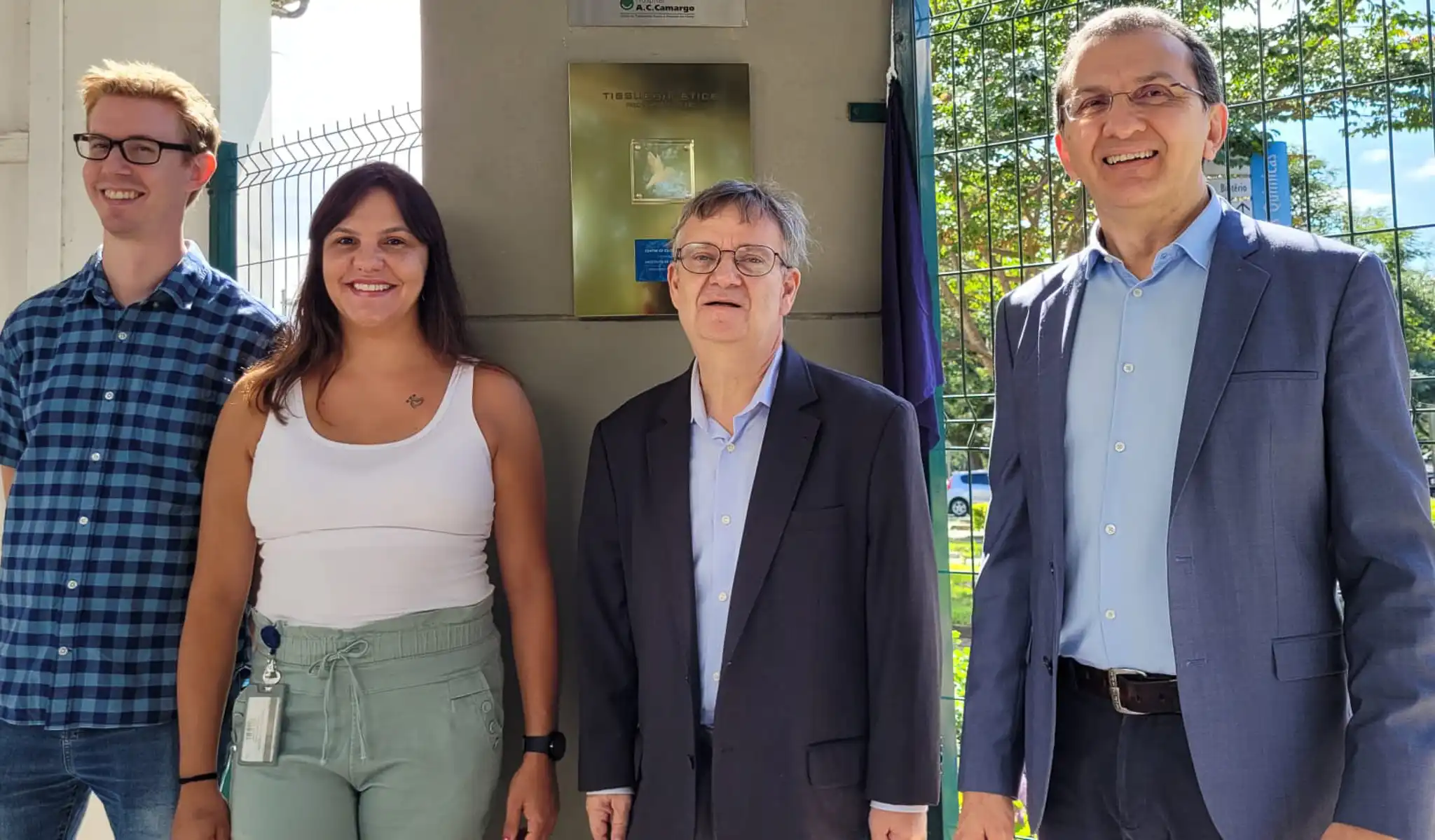
Institute of Chemistry, University of São Paulo
The Institute of Chemistry at the University of São Paulo is honored as a TissueGnostics Center of Excellence in recognition of its long-standing collaboration and scientific impact. With Prof. Henning Ulrich as a key collaborator and scientific advisor to TissueGnostics, the institute has contributed numerous publications using TG technologies and was the first in South America to implement TissueFAXS systems. This continued engagement reflects a highly valuable collaboration.
Centre of Excellence awardee interview
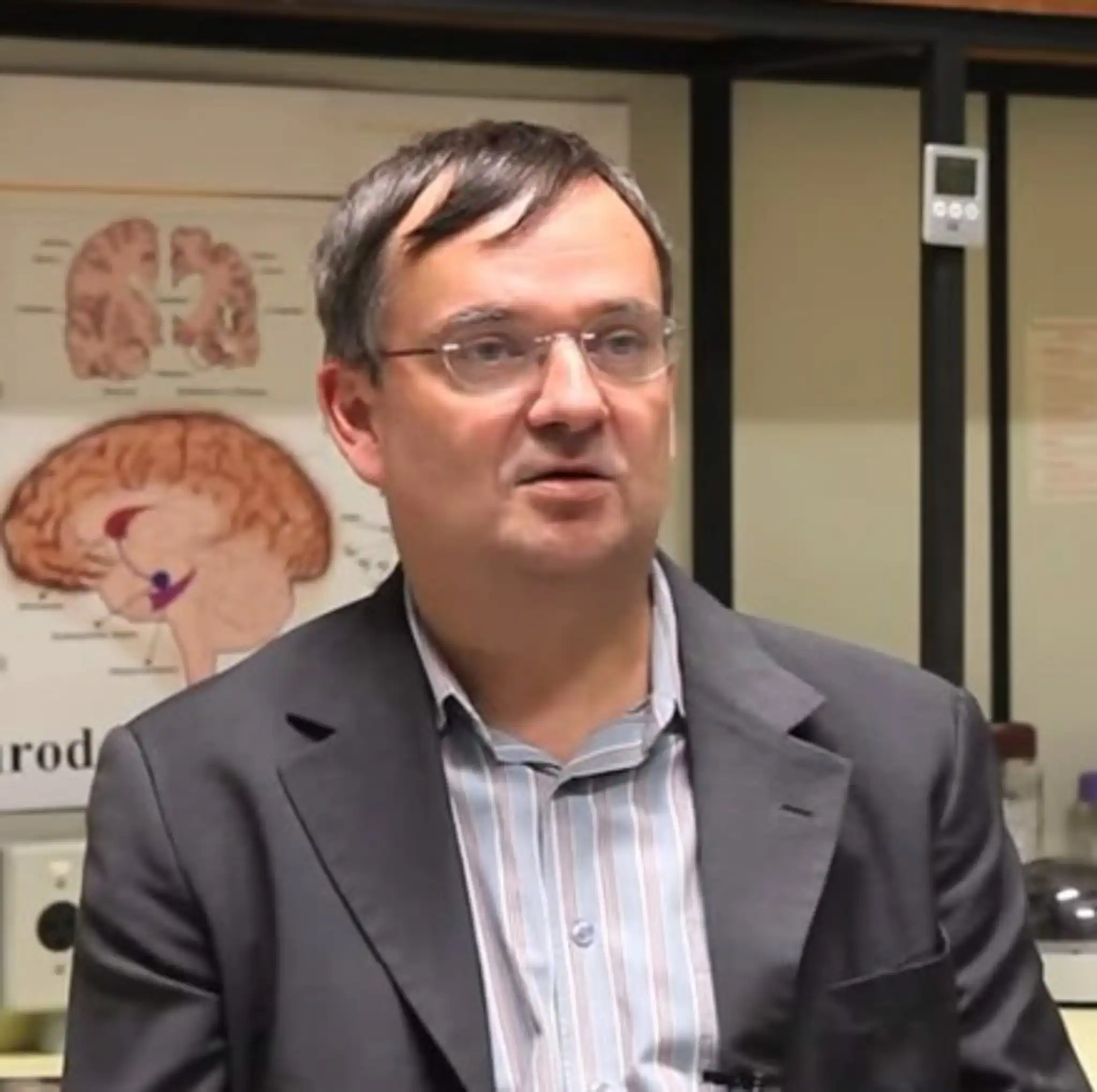
Henning Ulrich
Briefly describe your research interests and role at the University of São Paulo.
My research interests englobe the mechanisms of how embryonic and neural stem cells undergo phenotypic changes to make them differentiate into neurons and glial cells, and which are the switches deciding whether a stem cell gives rise to a neuron and an astrocyte. I also investigate processes of neurodegeneration occurring in Parkinson’s, Alzheimer’s, and Huntington’s disease, and why neurogenesis is dysfunctional in these disorders. In this context, I investigate ATP-activated purinergic receptors and kinin-B2 (bradykinin) receptors and their effects on neurogenesis, neurodegeneration, and neuroinflammation. All these studies rely on tissue cytometry applications, defining cellular phenotypes, proliferation, differentiation, or cell death programs and the localization of these cells and their microenvironment in the brain by using the StrataQuest software.
I am also developing aptamers tagged to fluorescence probes for the staining and purification of stem and cancer cells. These aptamers compete with antibodies in cytometry applications. We use them for stem and cancer cell quantification with the TissueFAXS platform.
What TissueGnostics solutions do you use at your institute and how do they help you with your research?
We have a TissueFAXS Q confocal imaging system equipped with an on-the-stage cell culture system (Prof. Henning Ulrich and Prof. Claudiana Lameu) and a TissueFAXS i Plus system for fluorescence imaging (Prof. Nicolas Hoch). The TissueFAXS is used in all my research projects for quantifying immune-stained cells determining characteristics of neurons, such as lengths of neurites and their localizations, and measuring the presence of immune cells and their activation status.
What are your most important reference publications?
- Glaser T, Shimojo H, Ribeiro DE, Martins PPL, Beco RP, Kosinski M, Sampaio VFA, Corrêa-Velloso J, Oliveira-Giacomelli Á, Lameu C, de Jesus Santos AP, de Souza HDN, Teng YD, Kageyama R, Ulrich H. ATP and spontaneous calcium oscillations control neural stem cell fate determination in Huntington's disease: a novel approach for cell clock research. Mol Psychiatry. 2021 Jun;26(6):2633-2650. doi: 10.1038/s41380-020-0717-5.
- Oliveira-Giacomelli Á, M Albino C, de Souza HDN, Corrêa-Velloso J, de Jesus Santos AP, Baranova J, Ulrich H. P2Y6 and P2X7 Receptor Antagonism Exerts Neuroprotective/ Neuroregenerative Effects in an Animal Model of Parkinson's Disease. Front Cell Neurosci. 2019 Nov 8;13:476. doi: 10.3389/fncel.2019.00476.
- Pillat MM, Lameu C, Trujillo CA, Glaser T, Cappellari AR, Negraes PD, Battastini AM, Schwindt TT, Muotri AR, Ulrich H. Bradykinin promotes neuron-generating division of neural progenitor cells through ERK activation. J Cell Sci. 2016 Sep 15;129(18):3437-48. doi: 10.1242/jcs.192534.
